What is the difference between organic and inorganic car radiator coolant?
Car radiator coolant plays a critical role in vehicle engine performance, ensuring that engines operate within safe temperature ranges while protecting internal components from corrosion, freezing, and overheating. Understanding the differences between organic and inorganic car radiator coolant is essential for selecting the right solution for both passenger vehicles and industrial machinery.
Understanding car radiator coolant
The core mission of coolant is to circulate and dissipate the large amounts of heat generated during engine operation, maintaining a stable, normal operating temperature. Proper coolant use ensures engine efficiency and longevity by preventing overheating, overcooling, corrosion, rust, and scale formation. Additionally, many modern formulations provide lubrication for the water pump and other moving components within the cooling system.
Car radiator coolant is composed of a base fluid, typically ethylene glycol or propylene glycol, combined with water and specific additives designed to inhibit corrosion and improve heat transfer. The type and concentration of additives differentiate organic and inorganic coolants.
Types of car radiator coolant
Organic acid technology (OAT) coolant
Organic acid technology (OAT) coolants rely primarily on organic acids as corrosion inhibitors. These inhibitors form a protective layer on metal surfaces, preventing oxidation without rapid depletion. OAT coolants are widely used in modern vehicles due to their long service life, typically lasting up to five years or 150,000 kilometers in automotive applications.
Key characteristics of OAT coolants:
- Extended service intervals, reducing maintenance frequency.
- Compatibility with aluminum and other non-ferrous metals, making them suitable for modern engine designs.
- Lower silicate content, which minimizes sediment and scale formation within the cooling system.
Inorganic acid technology (IAT) coolant
In contrast, inorganic acid technology (IAT) coolants use silicates, phosphates, and other inorganic compounds as corrosion inhibitors. These compounds act quickly to protect metal surfaces but deplete faster than organic acids, requiring more frequent changes.
Key characteristics of IAT coolants:
- Rapid corrosion protection for iron and steel components.
- Shorter maintenance intervals, often recommended every two years or 50,000 kilometers.
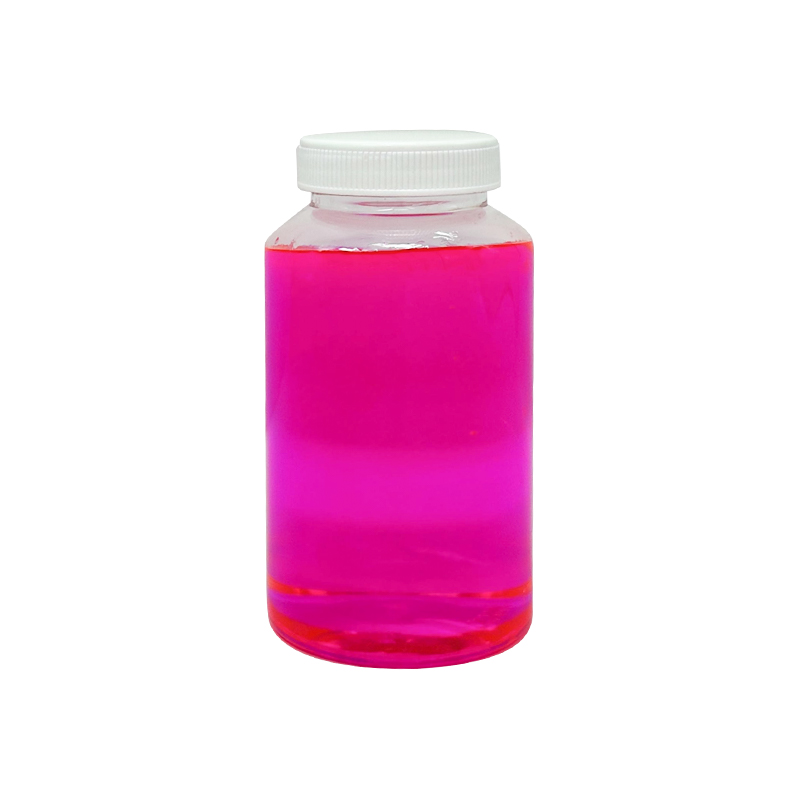
- Typically colored green or blue for easy identification, although formulations can vary by manufacturer.
Hybrid organic acid technology (HOAT) coolant
Some coolant formulations combine organic and inorganic inhibitors to create hybrid organic acid technology (HOAT) solutions. HOAT coolants aim to balance the extended service life of OAT with the rapid protective action of IAT, offering compatibility with a wider range of metals and moderate maintenance intervals.
Comparative analysis of organic vs. inorganic car radiator coolant
| Feature |
Organic Acid Technology (OAT) |
Inorganic Acid Technology (IAT) |
Hybrid (HOAT) |
| Corrosion inhibitor |
Organic acids |
Silicates, phosphates |
Combination of organic acids and silicates |
| Service life |
5 years / 150,000 km |
2 years / 50,000 km |
3-5 years / 100,000 km |
| Metal compatibility |
Aluminum, copper, brass |
Steel, cast iron |
Broad-spectrum |
| Sediment & scale formation |
Low |
Moderate to high |
Low to moderate |
| Recommended applications |
Modern passenger vehicles |
Older engines or industrial machinery |
Mixed fleets or extended-use vehicles |
Factors influencing coolant selection
Selecting the correct car radiator coolant depends on several considerations:
Engine material composition
Modern engines often use aluminum components, which are better protected by OAT or HOAT coolants. Engines with predominantly steel or cast iron parts can still utilize IAT coolants effectively.
Operating conditions
Vehicles operating in extreme climates require coolants with excellent freeze and boil protection. Organic-based formulations often provide superior thermal stability over longer periods, while inorganic coolants may require more frequent top-ups.
Maintenance capabilities
Fleets or users seeking reduced maintenance frequency benefit from organic or hybrid solutions, while facilities with regular servicing schedules may opt for IAT coolants for their immediate corrosion protection.
Regulatory and environmental compliance
Compliance with environmental regulations and safety standards is crucial in selecting car radiator coolant. Premium formulations are designed to minimize toxicity and environmental impact while maintaining performance.
Chemical and functional distinctions
The functional differences between organic and inorganic coolants are reflected in their chemical composition and interactions with engine materials:
- Organic coolants rely on carboxylate-based compounds, forming a protective layer that reacts slowly over time, ensuring long-term corrosion inhibition.
- Inorganic coolants utilize silicates and phosphates, which act quickly but are depleted faster, necessitating frequent replacement.
- HOAT coolants combine both mechanisms to achieve a balanced performance, reducing corrosion risk while extending service life.
Thermal efficiency is another critical consideration. All high-quality coolants, regardless of type, must maintain consistent heat transfer to prevent localized overheating and avoid component damage. Additives such as anti-foam agents, pH stabilizers, and lubricants for the water pump enhance operational reliability.
Industry standards and quality control
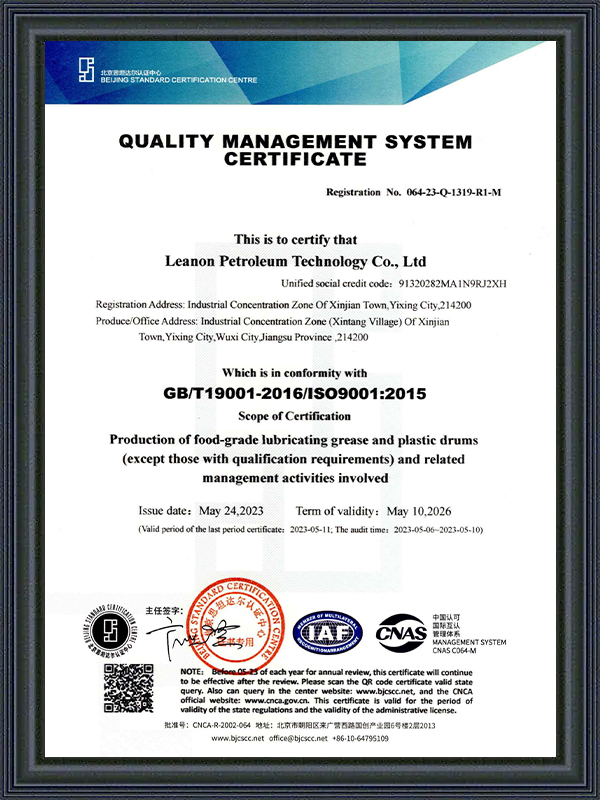
High-quality car radiator coolant must comply with international and regional standards. Certified manufacturers, such as LEANON Petroleum Technology Co., Ltd., adhere to ISO 9001, ISO 14001, ISO 45001, and IATF 16949 certifications, ensuring consistent quality, safety, and environmental compliance.
Rigorous testing in accredited laboratories evaluates thermal stability, corrosion resistance, and compatibility with various metals. This ensures that the coolant performs reliably under diverse operating conditions.
Best practices for coolant maintenance
Maintaining car radiator coolant involves:
- Regular inspection for color change, contamination, or debris.
- Correct concentration by following manufacturer guidelines, ensuring optimal freeze and boil protection.
- Flushing and replacement based on recommended service intervals for organic, inorganic, or hybrid formulations.
- Avoiding mixing incompatible types to prevent chemical reactions that can reduce corrosion protection or cause sediment buildup.
Proper maintenance not only extends the lifespan of the engine but also ensures fuel efficiency and consistent thermal performance.
Advantages and limitations
Advantages of organic coolants
- Longer service intervals reduce downtime.
- Excellent protection for aluminum and mixed-metal engines.
- Minimal scale formation, maintaining heat transfer efficiency.
Limitations of organic coolants
- Slower initial corrosion protection, which may be less effective in engines with heavy steel components.
- Slightly higher cost compared to IAT coolants.
Advantages of inorganic coolants
- Fast-acting corrosion protection for older engines.
- Cost-effective for vehicles with routine maintenance schedules.
Limitations of inorganic coolants
- Requires frequent replacement due to faster depletion of inhibitors.
- Higher risk of scale formation if not properly maintained.
Emerging trends in car radiator coolant
The industry is increasingly focused on environmentally friendly formulations with reduced toxicity, improved biodegradability, and compatibility with hybrid and electric vehicle cooling systems. Advanced additive packages aim to enhance thermal efficiency, reduce maintenance, and extend component life.
Manufacturers are also leveraging digital monitoring systems to track coolant performance in real time, helping fleet operators optimize service schedules and prevent engine failures.
Conclusion
Choosing the right car radiator coolant requires a careful evaluation of engine materials, operating conditions, and maintenance capabilities. Organic coolants offer extended service life and excellent protection for modern engines, whereas inorganic coolants provide rapid corrosion inhibition for older vehicles. Hybrid formulations combine the strengths of both, offering a balanced solution.
High-quality production and adherence to international standards ensure that modern coolants maintain thermal efficiency, corrosion resistance, and overall engine reliability. Following recommended maintenance schedules and proper coolant handling will maximize the benefits of any coolant type.
FAQs
Q1: Can I mix organic and inorganic car radiator coolant?
No. Mixing incompatible coolants can cause chemical reactions, reduce corrosion protection, and lead to sediment buildup. Always use the recommended type for your engine.
Q2: How do I know when my coolant needs replacement?
Signs include discoloration, debris in the coolant, unusual engine temperature fluctuations, or exceeding the service interval specified by the manufacturer.
Q3: Is car radiator coolant necessary in all climates?
Yes. Coolant prevents both overheating in hot conditions and freezing in cold conditions, making it essential for all climates.
Q4: Can I use water instead of car radiator coolant?
Using only water is not recommended, as it lacks corrosion inhibitors, freeze protection, and proper lubrication for the water pump.
Q5: How can I test the quality of car radiator coolant?
Coolant quality can be assessed with a refractometer or test strips to check concentration, pH levels, and presence of contaminants.





.jpg)
2.jpg)
.jpg)
2.jpg)





 1
1 